

Why Most E-commerce Businesses Fail at Lead Generation and How to Fix It in 2026
Building an e-commerce store has never been easier, but generating consistent, high-quality leads remains one of the biggest challenges for online businesses. Many brands invest heavily in website design, paid advertising, and social media marketing, expecting visitors to convert into customers. Instead, they see plenty of traffic but very few inquiries, email sign-ups, or repeat buyers.
The reality is that lead generation is about much more than attracting visitors. Modern shoppers research products across multiple platforms, compare brands, read reviews, and often interact with a business several times before making a purchase. Understanding Why Most Ecommerce Businesses Fail at Lead Generation is essential because even a well-designed online store can struggle to convert visitors if it lacks the right strategy. If your website doesn’t build trust or guide users toward the next step, they’ll simply leave—and your competitors will benefit.
In 2026, successful e-commerce businesses focus on creating a seamless customer journey. They understand what buyers are looking for, remove friction from the shopping experience, and nurture potential customers until they’re ready to convert.
In this guide, we’ll explore the most common reasons e-commerce businesses fail at lead generation and share practical strategies to help you attract, engage, and convert more qualified leads.
Why Most Ecommerce Businesses Fail at Lead Generation in 2026
Consumer behavior has changed dramatically over the past few years. Buyers are more informed, have higher expectations, and more options than ever before.
Before making a purchase, customers often compare products, read reviews, watch videos, browse social media, and even ask AI-powered search tools for recommendations. This means your website isn’t just competing with other online stores—it’s competing for attention across multiple digital touchpoints.
At the same time, privacy regulations and the shift away from third-party cookies have made it harder to rely on traditional advertising alone. Businesses now need stronger content, better user experiences, and personalized marketing strategies to capture and nurture leads.
The good news? Most lead generation problems are fixable. By identifying the weak points in your customer journey, you can significantly improve conversions without dramatically increasing your marketing budget.
1. You’re Attracting Visitors, Not Qualified Buyers
One of the biggest misconceptions in e-commerce is that more traffic automatically leads to more sales. While website traffic is important, attracting visitors who have no intention of buying rarely delivers meaningful results.
Many businesses target broad keywords or run generic advertising campaigns simply to increase clicks. Unfortunately, these visitors often leave without taking any action because they aren’t actively looking for your products.
For example, someone searching “best running shoes for beginners” is much closer to making a purchase than someone searching “how to choose the right running shoes” or “benefits of running shoes.” While both searches may bring visitors, the first query reflects stronger purchase intent, whereas the others are often still in the research phase.
How to Fix It
Focus on attracting high-intent traffic. Conduct keyword research to identify terms that indicate purchase intent, optimize product pages around those keywords, and create content that answers questions buyers ask before making a decision. It’s far better to attract 500 qualified visitors than 5,000 people who aren’t interested in buying.
2. Your Product Pages Don’t Build Trust
Even if customers are interested in your products, they’ll hesitate to share their information or complete a purchase if they don’t trust your website.
Many e-commerce stores overlook the importance of credibility. Missing reviews, vague product descriptions, low-quality images, or unclear return policies can quickly make shoppers abandon your site in favor of a competitor.
Trust is especially important for first-time visitors who have never interacted with your brand before. Every unanswered question increases doubt, and doubt often leads to lost leads.
How to Fix It
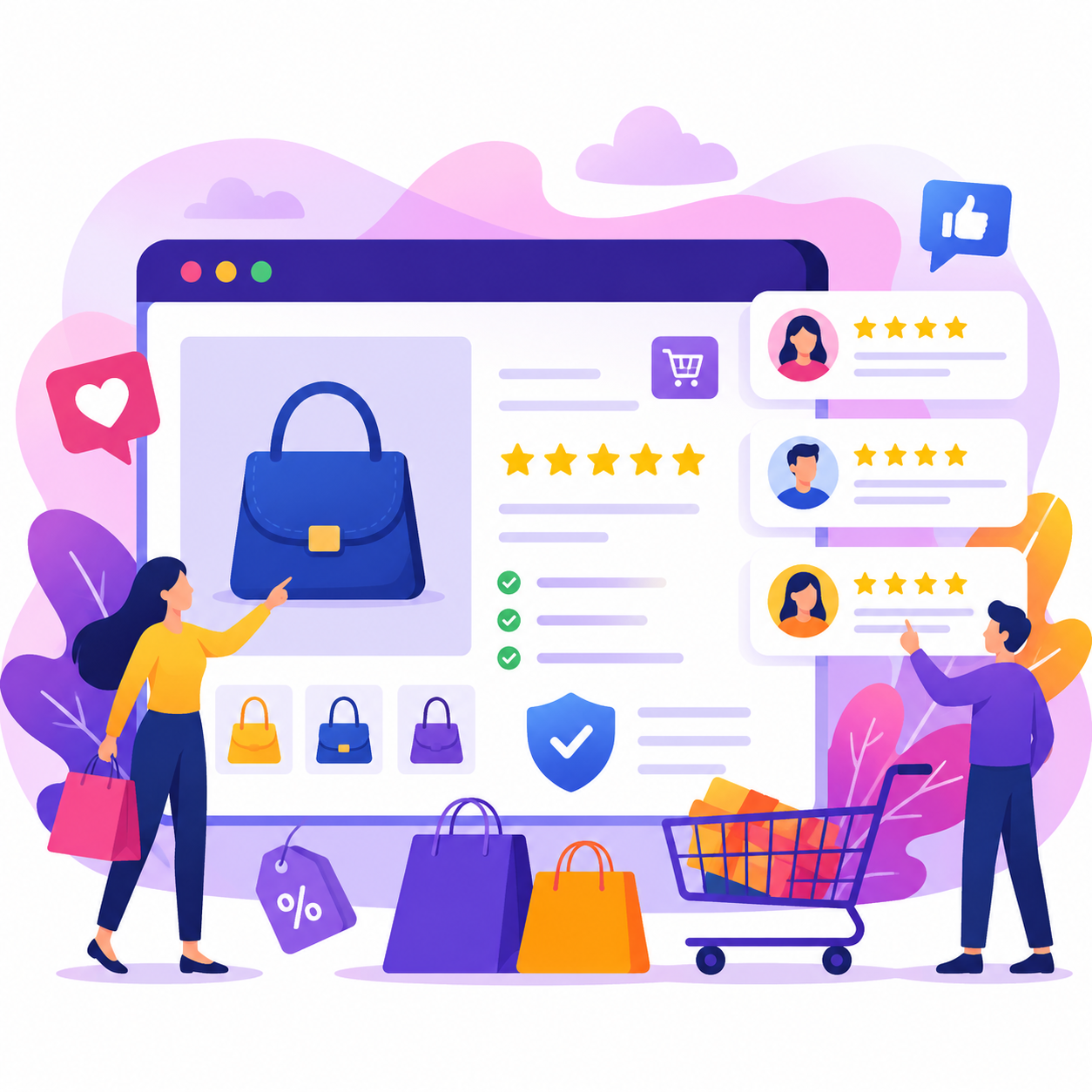
Make every product page as informative and trustworthy as possible. Include high-quality images from multiple angles, detailed product descriptions, authentic customer reviews, FAQs, shipping information, return policies, and secure payment badges. The more confidence you give potential buyers, the more likely they are to engage with your business and move further down the sales funnel.
3. You’re Not Giving Visitors a Reason to Stay Connected
Not every visitor is ready to buy during their first visit. In fact, most online shoppers compare products, explore different brands, and return later before making a purchase. If your website only focuses on immediate sales, you’re missing the opportunity to turn interested visitors into future customers.
Many e-commerce businesses make the mistake of relying solely on a “Buy Now” button without offering another way for visitors to stay engaged. As a result, potential customers leave the website and may never return.
Common signs of a weak lead capture strategy
- No newsletter or email subscription option.
- Generic forms that simply say “Subscribe.”
- No first-time visitor discount or exclusive offer.
- No downloadable buying guides or product comparisons.
How to Fix It
Offer visitors something valuable in exchange for their contact information. This could be a first-order discount, free shipping, early access to new products, or exclusive buying guides. Keep your forms short and clearly explain the benefit of signing up. Building an email list allows you to nurture potential customers until they’re ready to purchase
4. Your Website Isn’t Optimized for Mobile Shoppers
With the majority of online shopping now happening on smartphones, a poor mobile experience can significantly impact lead generation. If visitors struggle to browse products, navigate menus, or fill out forms on their phones, they’ll likely leave before taking any action.
Common mobile issues include slow-loading pages, difficult navigation, small buttons, and pop-ups that block important content. These frustrations create unnecessary friction and reduce the chances of converting visitors into leads.
How to Fix It
Adopt a mobile-first approach when designing your website. Test your store on different screen sizes, compress large images, simplify navigation, and ensure buttons and forms are easy to use on mobile devices. A fast and user-friendly mobile experience encourages visitors to stay longer and engage with your brand.
5. Your Calls-to-Action Aren’t Compelling Enough
Even interested shoppers won’t take the next step if your website doesn’t clearly guide them. Weak or generic calls-to-action (CTAs) often leave visitors unsure about what to do next, causing them to exit without converting.
Buttons like “Submit”, “Click Here”, or “Learn More” don’t communicate value or create urgency. Similarly, hiding your primary CTA at the bottom of the page means many visitors may never see it.
How to Fix It
Use clear, action-oriented CTAs that highlight the benefit of clicking. For example:
Get 10% Off Your First Order
6. You’re Not Following Up with Potential Customers
Capturing a lead is only the beginning. Many e-commerce businesses collect email addresses but fail to build a relationship afterward. Without consistent follow-up, potential customers lose interest, forget about your brand, or choose a competitor instead.
A lack of communication is one of the biggest reasons qualified leads never turn into paying customers.
Common follow-up mistakes
- No welcome email after someone subscribes.
- No abandoned cart reminders.
- Sending the same promotional email to every subscriber.
- Long gaps between email campaigns.
How to Fix It
Create automated email workflows that keep your audience engaged. Start with a welcome email introducing your brand, followed by helpful product recommendations, educational content, and personalized offers based on browsing or purchase history. If a shopper abandons their cart, send timely reminders with relevant incentives to encourage them to complete their purchase. Consistent, personalized communication helps build trust, keeps your brand top of mind, and significantly improves your chances of converting leads into loyal customers.
7. You’re Not Using Customer Data to Personalize the Shopping Experience
Modern shoppers expect brands to understand their preferences. If every visitor sees the same homepage, product recommendations, and promotional offers, your marketing becomes less relevant—and less effective.
Many e-commerce businesses collect valuable customer data but never use it to improve the shopping experience. This often results in lower engagement and missed lead generation opportunities.
Common signs of poor personalization
- Showing the same products to every visitor.
- Sending identical emails to your entire subscriber list.
- Ignoring browsing history and previous purchases.
- Not segmenting customers based on their interests.
How to Fix It
Use first-party customer data to create personalized experiences. Recommend products based on browsing behavior, send targeted email campaigns, and display relevant offers to different customer segments. Even simple personalization can improve engagement, encourage repeat visits, and generate more qualified leads.
8. You’re Ignoring AI and New Search Trends
The way people discover products has changed significantly. Instead of relying only on traditional search engines, shoppers now use AI-powered search tools, voice assistants, social commerce, and marketplace recommendations to find products.
If your website isn’t optimized for these newer discovery methods, you’re likely missing potential customers before they even reach your store.
Common mistakes include
- Publishing thin product descriptions.
- Creating content only for search engines instead of answering customer questions.
- Ignoring FAQ sections and informational content.
- Not updating older content regularly.
How to Fix It
Create helpful, well-structured content that answers real customer questions. Expand your product descriptions, add FAQs, publish buying guides, and keep your content updated. This not only improves your visibility in search results but also increases your chances of appearing in AI-generated recommendations and conversational search experiences.
At this stage, it’s easier to understand Why Most Ecommerce Businesses Fail at Lead Generation. Even businesses with quality products and strong marketing campaigns can struggle if they don’t track performance, optimize the customer journey, and make data-driven decisions.
9. You’re Not Measuring What’s Preventing Conversions
You can’t improve what you don’t measure. Many e-commerce businesses know how many visitors they receive but don’t understand what those visitors do once they land on the website.
Without the right data, businesses often make assumptions instead of informed decisions, leading to wasted marketing budgets and missed opportunities.
Common signs of poor tracking
- No conversion tracking.
- Not monitoring form submissions or email sign-ups.
- Ignoring user behavior reports.
- Never reviewing where visitors leave the website.
How to Fix It
Regularly monitor your website using tools like Google Analytics 4, Google Search Console, and Microsoft Clarity. Track important actions such as newsletter sign-ups, contact form submissions, product page engagement, and checkout abandonment. Understanding where visitors drop off allows you to make data-driven improvements that increase lead generation over time.
Action Plan: Improve Your E-commerce Lead Generation
Improving lead generation doesn’t require a complete website overhaul. In most cases, making consistent improvements across your website and marketing strategy delivers better results than trying to fix everything at once. If you’re wondering where to start, focus on these high-impact actions:
- Attract the right audience. Target high-intent keywords and create content that answers the questions potential buyers ask before making a purchase.
- Build trust on every product page. Add authentic customer reviews, detailed product descriptions, high-quality images, FAQs, and clear shipping and return policies to reduce purchase hesitation.
- Strengthen your lead capture strategy. Encourage visitors to stay connected by offering valuable incentives such as first-order discounts, free shipping, exclusive deals, or helpful buying guides.
- Optimize the mobile experience. Ensure your website loads quickly, is easy to navigate on smartphones, and offers a smooth browsing and checkout experience across all devices. Use Google PageSpeed Insights to identify performance issues and improve your site’s loading speed.
- Create effective follow-up campaigns. Set up automated email workflows for welcome messages, abandoned cart reminders, and personalized product recommendations to nurture leads after their first visit.
- Track, analyze, and optimize. Use tools like Google Analytics 4 and Microsoft Clarity to understand visitor behavior, identify conversion bottlenecks, and make data-driven improvements over time.
Lead generation is an ongoing process, not a one-time task. By focusing on these areas and regularly refining your strategy, you’ll create a better shopping experience that attracts qualified leads and converts more visitors into loyal customers.
Conclusion
Lead generation is one of the biggest growth drivers for any e-commerce business, but it doesn’t happen by chance. Understanding Why Most Ecommerce Businesses Fail at Lead Generation is the first step toward improving your marketing strategy and generating more qualified leads. From attracting the right audience and building trust to optimizing your website for mobile users and nurturing leads through personalized communication, every stage of the customer journey plays a role in converting visitors into customers.
The good news is that most lead generation challenges are fixable. Small improvements—such as refining your CTAs, improving product pages, implementing email automation, or tracking user behavior—can have a significant impact on your conversion rates over time.
Rather than chasing more traffic, focus on creating a seamless experience that encourages the right visitors to stay engaged with your brand. By continuously testing, analyzing, and optimizing your strategy, you’ll be better equipped to generate qualified leads and build sustainable growth in 2026 and beyond.
Ready to Generate More Qualified Leads?
If your e-commerce store is attracting traffic but struggling to convert visitors into qualified leads, now is the time to rethink your lead generation strategy. By improving your customer journey, optimizing your website, and implementing the right marketing strategies, you can turn more visitors into loyal customers.
At LeadFynix, we help e-commerce businesses generate high-quality leads through data-driven digital marketing strategies, conversion-focused websites, SEO, paid advertising, and marketing automation. Our goal is simple: help you attract the right audience, improve conversions, and achieve sustainable business growth.
Get in touch with LeadFynix today for a free consultation and discover how we can help your online store generate more qualified leads and grow with confidence in 2026 and beyond.
Frequently Asked Questions
1. Why is my e-commerce website getting traffic but not generating leads?
This usually happens when the traffic isn’t highly targeted or your website isn’t optimized for conversions. Weak CTAs, poor product pages, slow loading speeds, lack of trust signals, and ineffective lead capture strategies can all prevent visitors from becoming leads.
2. Why Most Ecommerce Businesses Fail at Lead Generation?
Most e-commerce businesses fail at lead generation because they focus on increasing traffic instead of optimizing conversions. Weak CTAs, poor user experience, lack of trust signals, and ineffective follow-up strategies often prevent visitors from becoming qualified leads.
3. What is the best lead generation strategy for an e-commerce business in 2026?
A successful strategy combines high-intent SEO, valuable content, optimized product pages, email marketing, personalization, and marketing automation. Instead of relying on a single channel, businesses should create a complete lead generation funnel that nurtures visitors throughout the buying journey.
4. How can I improve lead generation without increasing my advertising budget?
Start by optimizing your existing website. Improve page speed, strengthen product pages, use compelling calls-to-action, add lead magnets, and implement automated email follow-ups. Even small conversion improvements can generate more leads from your current traffic.
5. Does personalization really improve e-commerce conversions?
Yes. Personalized product recommendations, targeted email campaigns, and behavior-based offers create a more relevant shopping experience. When customers see content that matches their interests, they’re more likely to engage with your brand and complete a purchase.
6. Which metrics should I track to measure lead generation success?
Monitor key metrics such as conversion rate, email sign-ups, click-through rate (CTR), bounce rate, cart abandonment rate, customer acquisition cost (CAC), and return on ad spend (ROAS). These insights help you understand where your lead generation strategy is performing well and where improvements are needed.
7. How often should I review my lead generation strategy?
Review your key performance metrics every month and conduct a detailed analysis every quarter. Regular testing and optimization help you adapt to changing customer behavior, improve user experience, and maximize your return on marketing efforts.